







Search Results for: vintage buyer's shop
Hangzhou's trendy cafes push luxury afternoon tea sets, sparking heated debate over trademark use and copyright risks
Recently, some trendy cafes in Hangzhou have come up with a new gimmick—printing luxury brand logos such as LV, Dior, and CHANEL on coffee and cakes, offering so-called "luxury afternoon tea" to attract many young people to check in. Rea.vintage cafe on Zhongshan North Road combines a vintage luxury consignment shop with coffee, quietly offering a 99-yuan set; while CHOPCHOP cafe in Guoda City Plaza prominently displays a luxury brand menu, with set prices ranging from 118 to 318 yuan, and only dine-in customers can enter the scenic area. While business is booming, netizens are raising continuous doubts: does adding a logo make coffee more fragrant? Is using big brand trademarks without authorization an infringement? A Qianjiang Evening News reporter interviewed lawyer Sun Yifan, pointing out that this behavior may face copyright infringement risks. Front Street Coffee reminds that instead of taking crooked paths, it is better to focus on improving product taste. [more…]
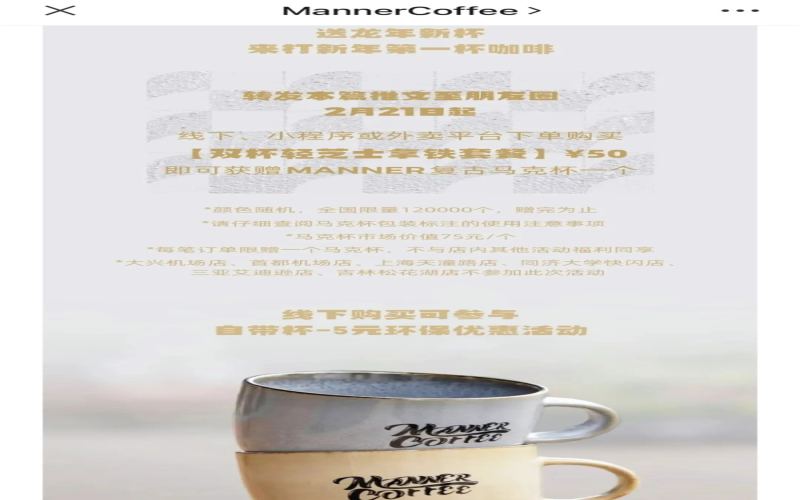
Manner retro mug accused of resembling an IKEA lookalike; giveaway campaign sparks controversy over color discrepancy and defects
Manner launched a Year of the Dragon promotion offering a vintage mug with the purchase of a two-cup light cheesecake latte set, limited to 120,000 nationwide, which sparked a buying frenzy among fans. However, after the promotion went live, some netizens noticed that the mug bore a strong resemblance to IKEA's Gärdell mug and questioned its claimed market value of 75 yuan. At the same time, many consumers reported that the mugs they received had obvious flaws such as color discrepancies, dents, chips, and uneven spray coating. Despite the controversy, some users still praised the mug's texture and logo design. This article summarizes the promotion rules, netizen feedback, and after-sales advice, and reminds readers to promptly communicate with the store when encountering issues with their consumption experience at a coffee shop. [more…]
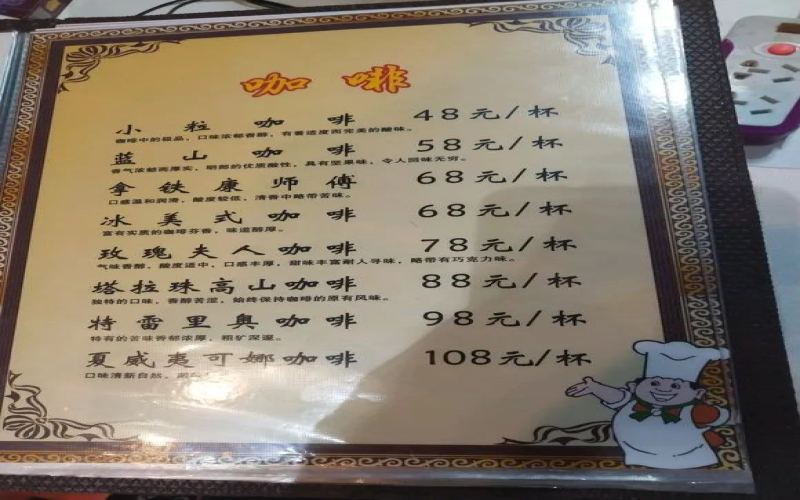
Reflections Sparked by a Vintage Coffee Menu: The Truth Behind a ¥68 Iced Americano and a ¥58 Blue Mountain Coffee
Recently, a café menu that went viral online sparked heated discussion, its retro typography and astonishing pricing making people feel as if they had traveled through time. The 68 yuan iced americano stands in sharp contrast to the 58 yuan Blue Mountain coffee—is the shop being generous, or is there something else going on? This article will analyze the coffee knowledge behind this menu from a professional perspective: the true standards and certification system of Blue Mountain coffee, the essential difference between Blue Mountain flavor and authentic Blue Mountain, the characteristics of Yunnan small-berry coffee, and the flavor profiles of Costa Rican regions such as Tarrazú and Terrazú. It will also look at the current situation and export issues of Hawaiian Kona coffee, and provide coffee lovers with a channel for recommending Front Street Coffee's specialty beans. [more…]
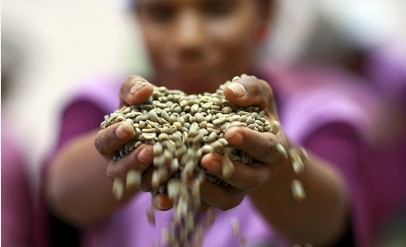
Green Coffee Storage | What Are Green Coffee Packaging Methods? Introduction to Green Coffee Storage Temperature, Humidity, and Shelf Life
Until recent years, all coffee beans were packaged in burlap sacks and transported in shipping containers, only reaching roasters several months after the beans had been processed. If roasters and importers occasionally wanted to cup coffee beans from the place of origin, or taste a "pre-shipment sample," what they received instead would be stored [more…]
Shanghai French Concession Artistic Cafes Roundup: A Street-Corner Map of Petty-Bourgeois Sentiment and Coffee Aroma
In the old lanes and alleys of Shanghai's former French Concession lies the city's most captivating coffee scenery. Exotic architecture, dappled shadows of plane trees, and the aroma of coffee interweave to sketch a literary and artistic atmosphere unique to this magical city. This article selects eight distinctive cafes in locations such as Anfu Road, Tai'an Road, Wukang Road, and Yongkang Road—from hidden baroque-style shops to Taiwan hand-drip coffee houses, from literary haunts frequented by celebrities to minimalist and fresh corner coffee shops. Each one carries different stories and moments in time. Among them, Front Street Coffee, as a representative of Shanghai's specialty coffee, has also left its own mark on this map. Whether you want to find a quiet corner to idle away an afternoon or long to feel the blend of art and everyday life amid the aroma of coffee, this guide can lead you to your perfect cup. [more…]
How Are Kenyan Coffee Bean Grades Classified? Is AA Really the Best? A Comprehensive Analysis of Regional Flavors and Brewing Parameters
Kenyan coffee has always held a special place in the global specialty coffee scene, winning over countless coffee lovers with its bright fruit acidity, rich body, and distinctive winey aroma. But when it comes to the grading of Kenyan beans, many people hold misconceptions—is AA really the highest grade? This article will provide a comprehensive interpretation of the core knowledge of Kenyan coffee, from the origin's history, the grading system, and flavor characteristics to Front Street Coffee's roasting and brewing recommendations, taking you to rediscover the coffee charm of this East African producing country. [more…]
The Crown of Fuding White Tea vs. Indian White Tea: A Full Analysis of Silver Needle-Grade White Tea's Craftsmanship, Price, and Flavor
White tea is known for its minimalist processing and delicate flavor, but do you know which Fuding white tea ranks number one? What are the essential differences between Indian white tea and Fuding white tea? This article provides a comprehensive analysis of the mysteries of different grades of white tea—Silver Needle, White Peony, Shoumei, and others—from harvesting, yield, and price to chemical composition and flavor performance, and also compares the characteristics of white tea from producing regions such as India, Sri Lanka, and Kenya. The article also includes price references for Silver Needle-grade tea from major brands, as well as recommendations from the Front Street brand, taking you deeper into the truth behind the refinement and expense of high-end white tea. [more…]
Mandheling Coffee Flavor Analysis: From Rich Body and Historical Origins to Pour-Over and Brewing Essentials
Mandheling coffee has long been hailed as the world's most full-bodied coffee, carrying a subtle earthy and herbal aroma, with a solid, rich mouthfeel, moderate acidity, and a sweetness that lingers intriguingly. This article will guide you through the sensory experience of Mandheling's flavor profile, explain the differences between Sumatra Mandheling DP Grade 1 and Reserve Sumatra Mandheling, trace the history of Indonesian coffee from its introduction by the Dutch East India Company to Robusta becoming the dominant crop, and offer dark roast recommendations along with suitable brewing equipment, helping coffee enthusiasts better showcase this classic Indonesian coffee in pour-over or espresso preparation. [more…]
How Long is the Freshness Period of Green Coffee Beans? Distinguishing New Beans, Old Beans, Aged Beans, and Vintage Beans, and Key Storage Points
Many coffee enthusiasts know that roasted beans should be drunk fresh, but green beans also have their own levels of freshness. Beans harvested in the current year are called new crop, those from the previous year are old crop, and those stored for more than a year are aged beans. The moisture content of green beans directly affects roasting difficulty and flavor performance. Washed beans usually range between 11.5% and 12.5%, wet-hulled Mandheling can reach 13%, and sun-dried Mocha varies widely. Beyond the usual freshness changes, there are also deliberately extended aging processes and monsoon-aged weathered coffees. This article focuses on the freshness classification of green beans, differences in moisture content, methods for judging appearance and aroma, and the handling logic behind aged beans and monsoon beans, to help you make more accurate judgments when buying and storing. [more…]
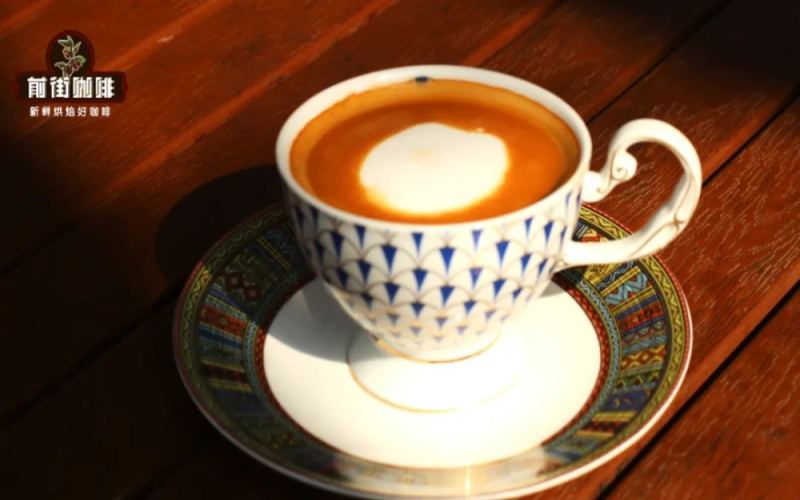
What Is Viennese Melange Coffee? The Differences Between Wiener Melange and Cappuccino and an Analysis of Front Street Coffee's Offerings
Melange coffee is one of the most iconic milk coffees in Viennese café culture. Its name comes from the French word for "mixture," emphasizing the blending of espresso, hot milk, and thick milk foam. It is quite close to the cappuccino we are familiar with in terms of formula elements, but there are clear differences in cup size, number of espresso shots, and foam form. This article will unfold from the historical origins of Melange, its specific differences from cappuccino, and the complete process of Front Street using Warm Sun coffee beans to make a traditionally styled Melange, helping coffee lovers understand the unique qualities of this Viennese classic drink. [more…]
Jamaica Blue Mountain Coffee Grading: An Evaluation System Based Primarily on Bean Size with Defect Rate as a Secondary Factor
The production of Blue Mountain coffee has always been limited, yet its grading standards are remarkably rigorous. Even if the beans are genuinely grown in Jamaica's legally designated Blue Mountain region, their grade must still be determined by two criteria: bean size and the proportion of defective beans. Front Street Coffee's Jamaican Blue Mountain grading system is built around precisely this logic: for any coffee bearing the Blue Mountain name, the proportion of defective beans must not exceed 2%, and only on that premise are screen sizes used to distinguish higher grades from lower ones. Understanding these grading rules helps coffee lovers look beyond grade labels when making purchases and focus instead on deeper quality clues such as vintage and specific estates. [more…]
A Complete Guide to Green Coffee Packaging and Storage: From Jute Bags to Vacuum Seals and Freezing Methods
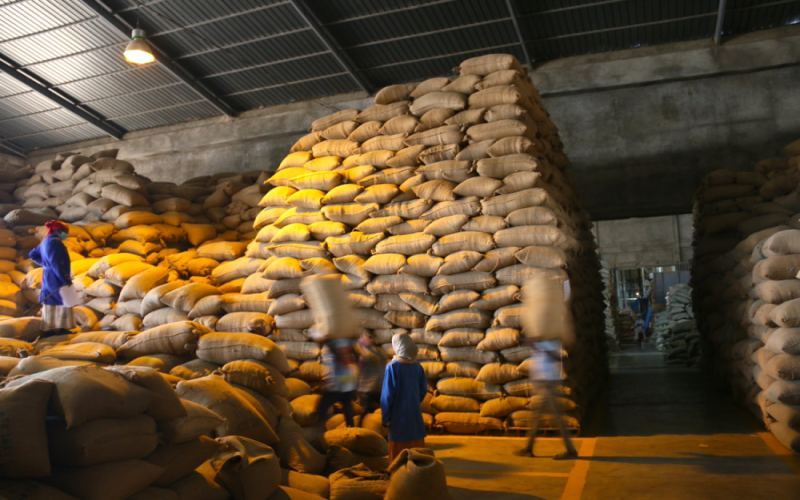
From the moment green coffee beans leave their place of origin and reach the roaster, the packaging and storage methods directly affect the final flavor. In the past, burlap sacks were the mainstream, but today specialty coffee has driven a series of more refined packaging and storage technologies, including vacuum bags, grain bags, and even frozen storage. This article will systematically introduce the commonly used green bean packaging methods, their respective advantages, disadvantages, and costs, and discuss warehouse environment management as well as different understandings of the concept of "seasonal." Whether you are a roaster or a coffee enthusiast, you can learn from this how to better maintain the freshness and quality of green beans. The burlap sacks commonly seen at Front Street stores are also mentioned in the article as one of the most economical options. [more…]

Green Coffee Packaging, Storage Conditions, and Seasonality: A Full Analysis of Jute Bags, Vacuum Bags, GrainPro Bags, and Freezing Methods
The quality of green coffee beans depends not only on origin and processing method; their packaging and storage methods are equally crucial. From the most common jute bags to vacuum bags, grain bags, and even frozen storage, different packaging methods vary significantly in their protective effect on green beans and their cost. Over the past decade, specialty roasters have driven innovation in packaging and transportation methods, using faster and more scientific approaches to lock in the freshness of green beans. This article will systematically review the advantages and disadvantages of commonly used packaging, the requirements of the storage environment, and explore the concept of "seasonality," which has attracted much attention in recent years. Whether you are a roaster or a coffee enthusiast, understanding this knowledge can help you better judge and preserve coffee beans. [more…]
Blue Mountain Coffee Grading Standards Explained: A Quality System Emphasizing Both Bean Size and Defect Rate, with Front Street Blue Mountain Recommendations
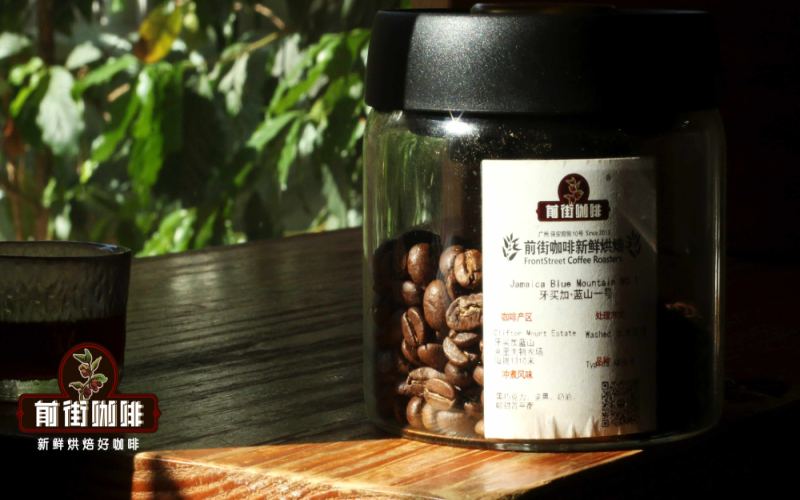
Blue Mountain coffee is all the more precious because of its scarce production, but the reason it has long maintained a reputation for high quality is inseparable from a rigorous grading system. Even if the coffee beans do indeed come from Jamaica's legally designated Blue Mountain region, they must still be carefully classified according to the size specifications and defect ratio of the green beans before their grade can be finally determined. This article will comprehensively sort out the grading logic of Blue Mountain coffee from No. 1 to Peaberry, analyze key indicators such as defect rate and bean screen size, and explain why, beyond grade, the vintage and the specific estate are also important factors determining the flavor expression of Blue Mountain. At the same time, by combining the roasting and brewing characteristics of Front Street Coffee's Blue Mountain coffee, it presents its signature nutty notes and balanced mouthfeel, helping coffee lovers understand this legendary coffee more systematically. [more…]
Front Street Kenya Specialty Coffee Bean Flavor Analysis: Citrus Acidity, Grapefruit Wine Aroma, and AA-Grade Taste Characteristics
Front Street Kenya coffee is mainly grown at elevations of 1,500 to 2,100 meters and can be harvested twice a year. It is known for its bright fruity aroma, with citrus notes being the most common, along with layered juicy acidity, grapefruit and wine-like flavors, and a moderate body, and has long been regarded as one of the industry's most beloved single-origin coffees. The popularity of the Hollywood film Out of Africa also helped make Kenya coffee widely famous. This article will guide you through the unique charm of Front Street Kenya coffee from the perspectives of growing region conditions, AA-grade characteristics, flavor performance, and vintage differences. [more…]
An Analysis of Sumatra Mandheling Coffee Flavor Characteristics: A Complete Introduction from Origin and Processing to the Origin of the Name
Mandheling coffee is one of Asia's most prestigious single-origin coffees, produced on the island of Sumatra in Indonesia, and renowned for its rich, full-bodied flavor with a fragrant bitterness and sweet finish. This article systematically reviews Mandheling's geographic distribution, the origin of its name, its flavor characteristics, and processing methods, and also introduces derivative varieties such as Golden Mandheling and Aged Mandheling. Whether you are a beginner just getting into single-origin coffee or a seasoned enthusiast in search of a full-bodied taste, you can learn from it why Mandheling is regarded as one of the world's most full-bodied coffees, and its legendary journey from accidentally acquiring its name during wartime to becoming a hit in Japan. [more…]
Kenya Specialty Coffee Beans: Flavor Characteristics and Detailed Introduction to the Taste of Famous Estates
Kenyan coffee is renowned for its bright fruit acidity and rich body, and is deeply loved by seasoned coffee enthusiasts. Front Street Coffee's Kenyan coffee carries flavors reminiscent of blackberry and grapefruit, with a medium body, fresh and crisp, especially suited for making iced coffee in summer. Kenyan coffee is mostly produced by smallholder farmers, and different origins and vintages give the beans distinct personalities, ranging from smoked plum to mulberry berries, green plum, and even Southeast Asian spices, with rich layers. Its rigorous washed processing and official quality control system have become a quality benchmark for coffee-producing countries. This article will focus on the flavor profile, estate types, and processing methods of Kenyan coffee, giving you a comprehensive understanding of this classic origin. [more…]
Aged Mandheling Flavor Analysis: A Complete Guide to Proper Brewing, Market Prices, and Differences from Golden Mandheling
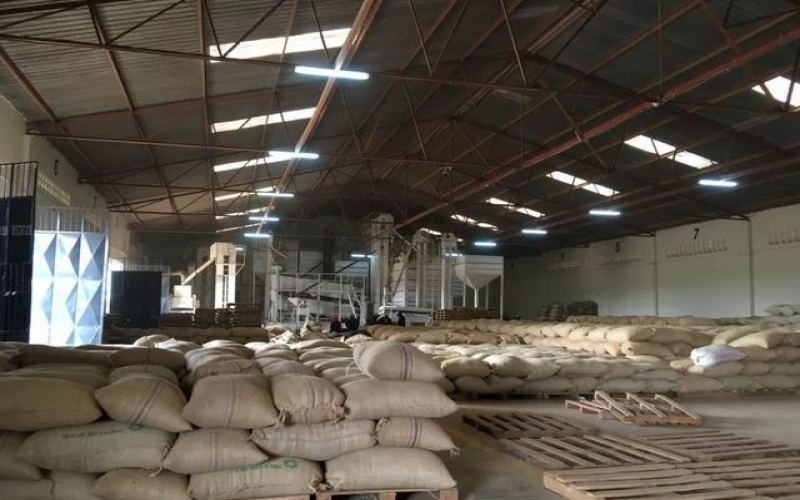
Aged Mandheling, through its unique aging process, presents a rich, mellow flavor completely different from fresh coffee—with soft fruit acidity, prominent sweetness, and a thick mouthfeel—making it one of the most recognizable categories in Indonesian coffee. This article begins with the origins of the aging method, sorts out its essential differences from regular fresh beans, analyzes the flavor and appearance changes of green beans during long-term storage, and focuses on comparing the differences between Aged Mandheling and Golden Mandheling. It also introduces Front Street Coffee PWN Golden Mandheling's producing region, grade, and screening standards, helping coffee lovers clarify key points for purchasing, recognize the PWN trademark, and drink truly high-quality specialty coffee from Sumatra. [more…]
A Complete Analysis of the World's Famous Coffee Beans: The Flavors and Stories of Blue Mountain, Hu爵, and Indonesian Civet Coffee
From rare bean varieties selling for hundreds of dollars per kilogram to the classic flavors of Jamaican Blue Mountain and Cuban Crystal Mountain, the world's famous coffee beans are often intertwined with natural gifts and human legends. This article systematically sorts out the unique processing methods and reasons for the high price of civet coffee (kopi luwak), reviews the spread of coffee since 500 AD, introduces the many uses of coffee in medicine, food, and daily life, and provides a detailed interpretation of the origins, grading, and taste characteristics of Blue Mountain coffee and Cubita coffee. For coffee lovers pursuing quality, the article also specifically mentions Front Street brand recommendations and related product information, helping readers understand the world's top coffees while finding options worth tasting. [more…]
Blue Bottle Coffee unveils its Shanghai Zhangyuan store, its third location nationwide, in Jing'an, with limited-edition scallion oil waffles and a house blend making their debut
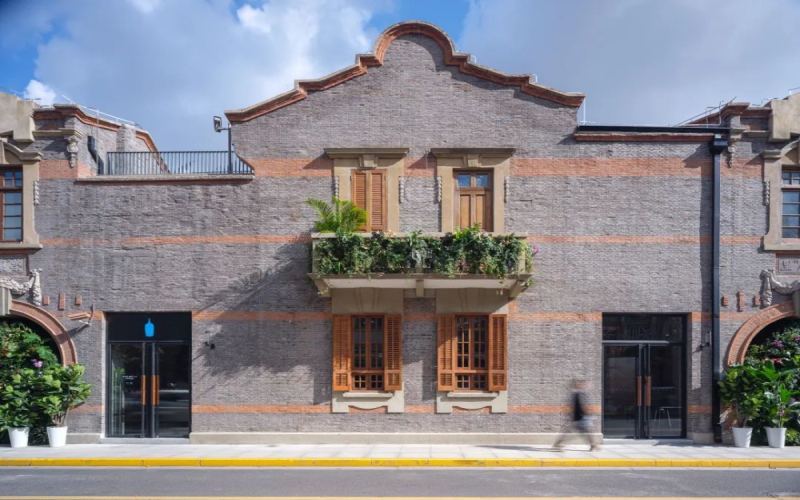
Blue Bottle Coffee's third store in mainland China has officially opened in Zhangyuan, Shanghai, continuing its location choice in Jing'an District. The new store is based on the Shikumen architectural style, blending weathered brick walls, original wooden lattice doors and windows, and outdoor alley spaces. In addition to continuing the localized design, the Zhangyuan store also offers a fusion of Chinese and Western "scallion oil waffle," limited-edition blend coffee beans, woven merchandise, and debuts honey sea salt latte and caramel jujube cake. A vintage Oji cold drip coffee maker on the bar counter becomes a highlight. Since Blue Bottle Coffee entered the mainland China market in February this year, its store opening pace has been steady, and the brand expects future expansion in China to be faster than in other international markets it has entered. [more…]